
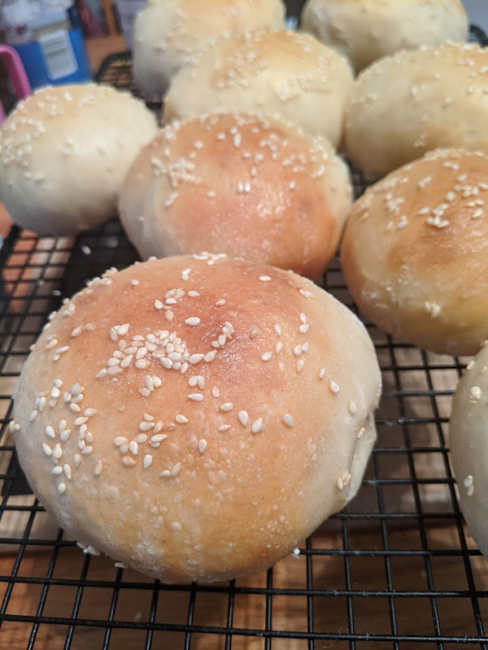
Hey, long time no see! How have you been? Look at you, you haven’t aged a single day since I last saw you. Me? Oh, I’ve been well, thanks for asking! I’ve been around, I just didn’t have much new to say lately. Recently I posted on Facebook about how easy it is to make sourdough starter. The response to it surprised me. A lot of people didn’t know what a simple thing it is […]
Continue readingCategory: Cooking
Holiday Magic : Pedroncelli Port & Port Fruit Bars
Looking for a tasty pairing for your holiday guests? Why not try a modern twist on a holiday tradition. Instead of serving that door-stopper weight of a fruit cake, we recommend port fruit bars with Pedroncelli Port. As part of their year-long 90th Anniversary celebration, the fine folks at Pedroncelli introduced us to their own limited selection vintage Four Grapes Port. They make it from three of the same grape varieties typically used in traditional […]
Continue readingCowboys, Chaps and World Class Chardonnay
What do you pair with a $79 Chardonnay? I asked, Joe, who does nearly all of the cooking for us here at Another Wine Blog? Fish Stew, he says. Now I am not a big fan of stew, fish or otherwise. It is probably a completely irrational bias from my childhood. Stew was what you had when you either did not have anything in the house to make a proper meal, or could not afford […]
Continue readingCooking to Pair with Multiple Wines: Green Valley of Russian River Valley
For many a home chef, it is relatively simple to pair a dish with a wine. You can consult Mr. Google, or visit a variety of wine sites, like Another Wine Blog, for suggestions. But suppose you have a recipe that pairs well with one red wine, but want to serve two different varieties – what then? That was my dilemma for a tasting of 3 wines from Green Valley of Russian River Valley hosted […]
Continue readingPasaporte Mexico Comes to Central Market, April 20 – May 3
We love our Tex-Mex here in Houston! But many of us gringos have no concept of authentic Mexican cuisine, although we occupy land once part of Estados Unidos Mexicanos. While a certain orange-hued cartoon character drums up votes with his “Build a Wall” platform, the good folks at Central Market invite customers to embrace with taste during ‘Pasaporte Mexico,’ April 20 through May 3 throughout its stores across Texas. During the two-week event, visitors to […]
Continue readingUrban Gardening: Help Make it a Reality in Houston
One of the most delicious things about wine is the way it pairs with food. Not just any food, but food prepared from local ingredients or one’s own garden. I grew up in a place with plenty of land for growing and harvesting our own fruit and vegetables. But sadly, my father did not know much about gardening. Or rotating crops. Or keeping the birds from eating our blueberries and decorating our sidewalks with purple “bird […]
Continue reading